Lectures
Kim occasionally offers lectures and short workshops, often on topics such as visual storytelling and story-driven worldbuilding.
He was instrumental in establishing The Animation Workshop (TAW), which in 2024 was ranked the third-best international animation school by Animation Career Review.
Kim helped develop its curriculum, served as Chairman of the Censorship Board, and was part of the school’s advisory board, helping guide its growth into the international institution it is today.
Over the years, Kim has also given lectures at The Danish Film School, The Animation Workshop, and CADA – Copenhagen Academy of Digital Arts, sharing his industry experience with students and professionals alike.
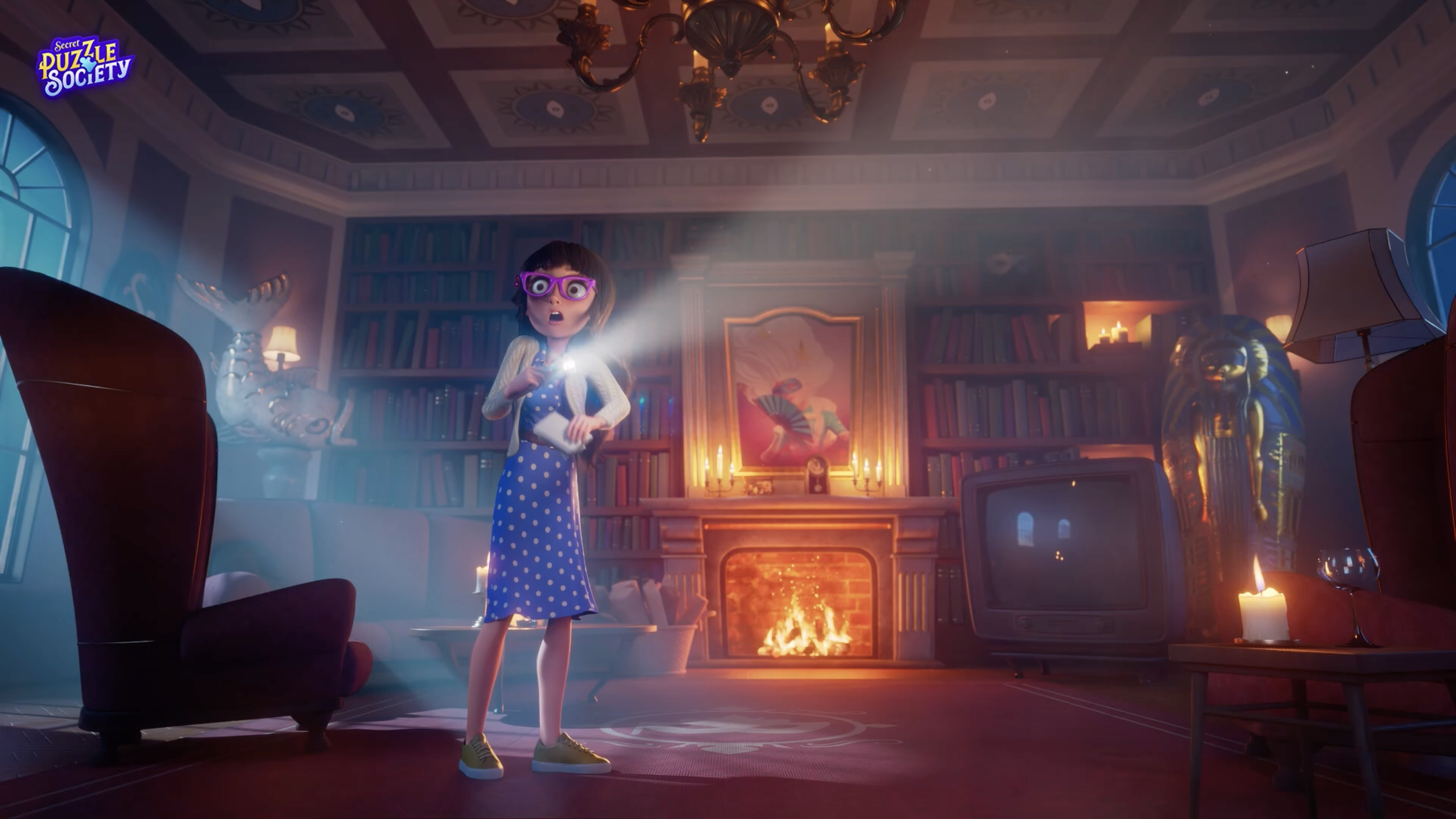
Visual Storytelling
Composition, staging, camera, colour, rhythm & emotion
What makes an image tell a story — not just look nice?
This lecture looks at visual storytelling from an animation director’s perspective: how every choice on screen (framing, movement, colour, design, timing) either clarifies the story or blurs it.
The talk breaks down how to think about shots, staging, silhouette, eye-lines, colour palettes, lighting, editing rhythm and character performance as one connected language.
The lecture offers a practical toolkit for analysing and designing sequences so that intention, emotion and information are always clear to the audience. The methods can be applied across animation, games, live-action, graphic storytelling, marketing and other fields that rely on strong images to carry story.
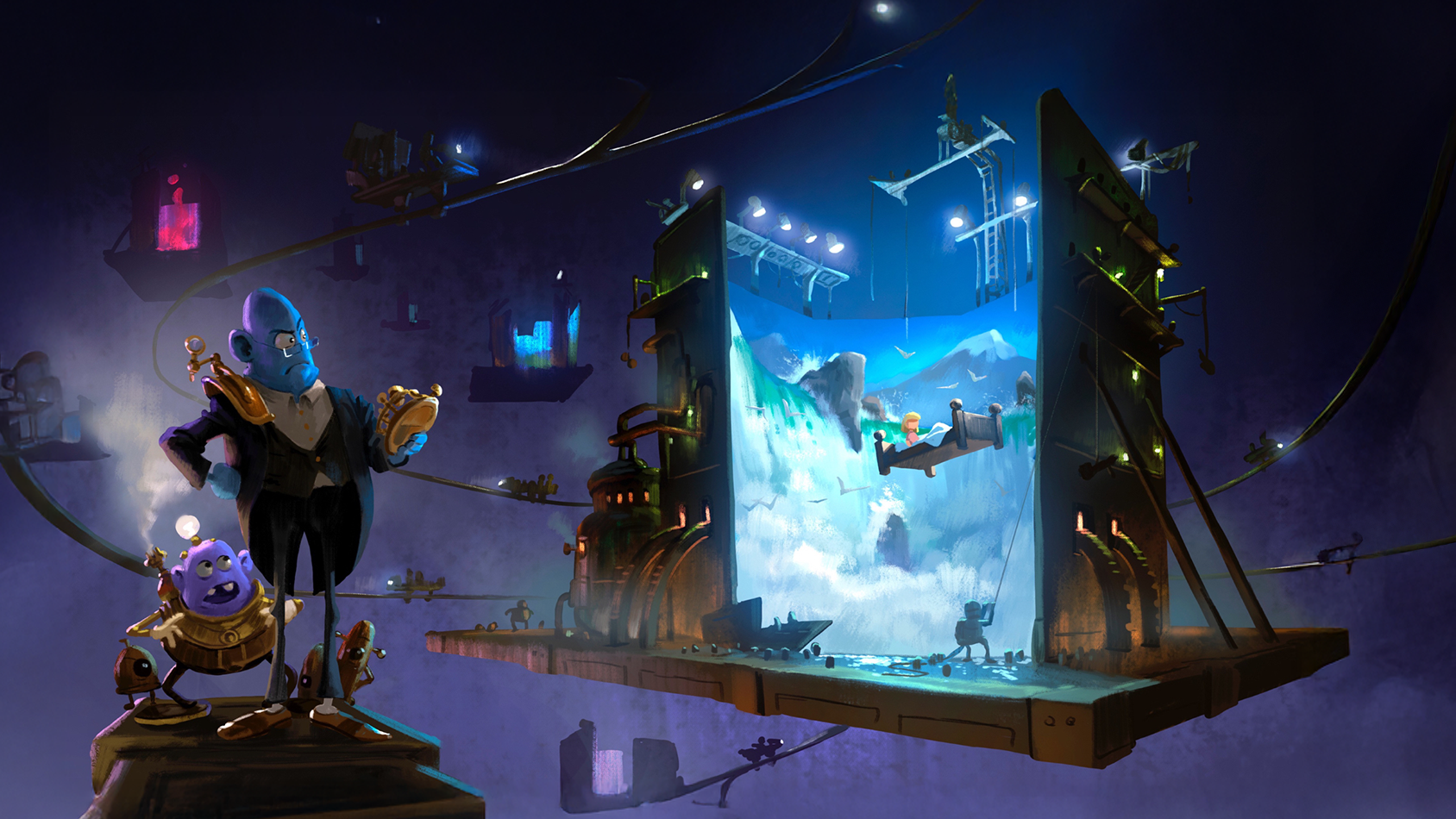
Story-Driven Worldbuilding
Conceptual idea development, lore & world logic
How do you take the spark of a personal idea and turn it into an engaging story set in a living, breathing world that feels authentic?
This lecture focuses on story development and the art of world-building — creating immersive narrative universes that audiences want to get lost in. It explores a creative methodology for building original stories from the ground up in a collaborative environment, where storyboards and concept art are an integral part of the writing process.
The lecture gives a clear picture of how a story-driven, visually led development process works in practice, along with concrete tools and simple frameworks for turning an initial vision into a coherent world and narrative that can be applied directly in ongoing projects and teams